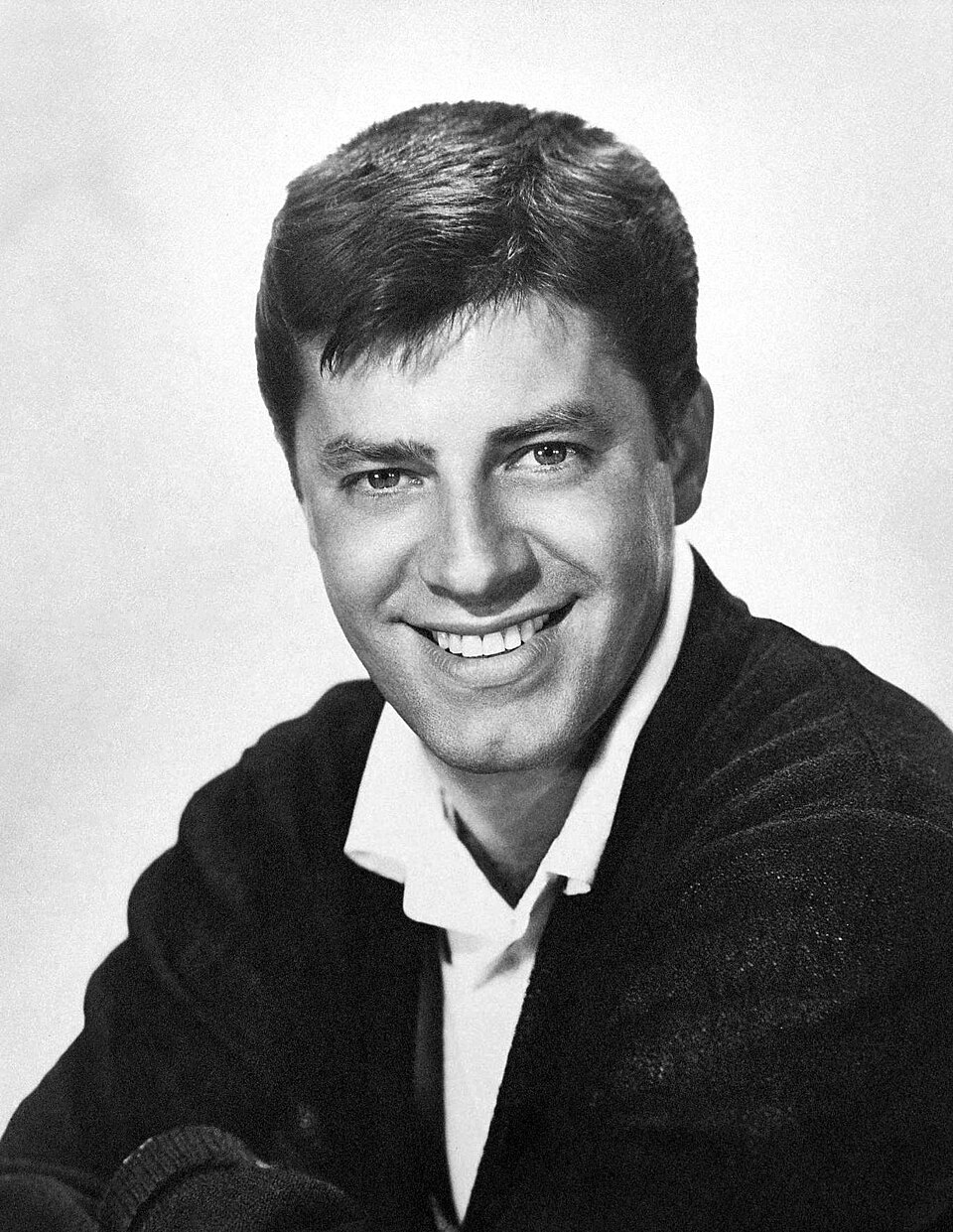
Jerry Lee Lewis's Enduring Flame in Chicago: The Million Dollar Quartet Legacy
Chicago, a city renowned for its vibrant music and theater scene, has long held a special place in the heart of rock and roll history. While many think of blues and jazz, the raw, electrifying energy of early rock and roll, particularly through the lens of figures like Jerry Lee Lewis, has made an indelible mark. When one searches for "Jerry Lewis Chicago," the spotlight often falls on two distinct legends: the iconic musician Jerry Lee Lewis, known as "The Killer," and the beloved comedian Jerry Lewis. This article will primarily delve into the fiery legacy of Jerry Lee Lewis and his profound connection to the Windy City, largely through the critically acclaimed musical, Million Dollar Quartet, while also briefly acknowledging the comedian's impact.
The story of Jerry Lee Lewis is one of untamed talent, groundbreaking piano prowess, and a controversial life that solidified his status as a true rock and roll pioneer. His sound, characterized by boogie-woogie piano, gospel influences, and an undeniable stage presence, helped define an era. It's this explosive energy that Chicago audiences have embraced, particularly through the theatrical recreation of one of music's most fabled jam sessions.
The Million Dollar Quartet: A Moment Frozen in Time, Reborn on Stage
The legend of the Million Dollar Quartet stems from an extraordinary, unplanned gathering at Sam Phillips's Sun Studio in Memphis on December 4, 1956. On that fateful day, Carl Perkins was in the studio, recording new material, when Elvis Presley dropped by for a visit. Soon after, Johnny Cash, another Sun Records artist, also arrived. And then, the wild card: Jerry Lee Lewis, a relatively new signee to Sun, who was there to play piano for Perkins's session. What transpired was an impromptu jam session featuring four titans of early rock and roll, captured by chance on tape and immortalized in a classic photograph.
This single, unique event—the only time these four legends ever played together—became the inspiration for the "jukebox musical" Million Dollar Quartet. Penned by Floyd Mutrux and Colin Escott, the show masterfully intertwines the historical narrative with powerful performances of mid-last century classics. It offers a glimpse into the individual ambitions, frustrations, and camaraderie of these young stars on the cusp of superstardom. Perkins, the genre's unsung hero, wrestled with the fact that his iconic "Blue Suede Shoes" had become synonymous with Elvis. Cash contemplated leaving Sun, while Lewis, ever the opportunist, sought a long-term contract with Phillips. Elvis, already a global sensation, was still finding his footing post-RCA deal. Sam Phillips, the visionary behind it all, found himself at the epicenter of a musical revolution he had ignited.
Chicago's Enduring Embrace of "The Killer" and His Cohorts
Chicago has played a pivotal role in the development and sustained success of the Million Dollar Quartet musical. After initial runs in Daytona Beach (2006) and Seattle (2007), the show found its true footing and further development at Chicago's prestigious Goodman Theatre in the fall of 2008. Its overwhelming success led to a transfer to the Apollo Theater, where it enjoyed a lengthy run that spanned years, eventually closing in early 2016. During this period, the original Chicago cast even took the production to Broadway, where it ran from mid-2010 to mid-2011, earning Levi Kreis a Tony Award for his electrifying portrayal of Jerry Lee Lewis. This simultaneous run in both New York and Chicago underscored the musical's widespread appeal and the strength of its Chicago roots.
The return of Million Dollar Quartet to the Chicago area, notably at venues like the Paramount Theatre in Aurora, continues to thrill audiences. Performers embodying these rock and roll icons are routinely lauded for their authenticity and skill. Gavin Rohrer, who has taken on the role of Jerry Lee Lewis in multiple productions, including the Paramount's, is consistently praised for his incredible energy and masterful boogie piano, leaving audiences "blown away" much like Levi Kreis did. Bill Scott Sheets's operatic baritone brings Johnny Cash's distinctive sound and microphone approach to life, while Adam Wesley Brown captures Carl Perkins's rockabilly swagger and underlying frustration. Kavan Hashemian, a veteran Elvis performer, embodies the King's iconic moves and charisma with ease.
A significant part of the show's allure in Chicago is the meticulous recreation of Sam Phillips's Sun Records studio by set designer Kevin Depinet. This authentic backdrop transports the audience directly into the heart of that legendary Memphis session, allowing them to experience the magic as if they were there. For more insights into the show's impact and its Chicago revivals, you might be interested in Chicago's Million Dollar Quartet: A Jerry Lee Lewis Revival.
Beyond the Stage: The Lasting Influence of Jerry Lee Lewis
Jerry Lee Lewis's contribution to music extends far beyond a single jam session or a successful musical. He was a force of nature, a true innovator who pushed the boundaries of piano playing and performance. His hits like "Great Balls of Fire" and "Whole Lotta Shakin' Goin' On" remain quintessential rock and roll anthems. His influence can be heard in countless musicians across genres, from rock to country to punk. His wild stage antics, including playing piano with his feet or setting it ablaze, set a precedent for rock star showmanship that reverberates to this day.
For music enthusiasts, experiencing the Million Dollar Quartet isn't just about entertainment; it's an educational journey into the very foundations of rock and roll. It highlights how raw talent, serendipity, and a visionary producer like Sam Phillips could converge to create a sound that would change the world. Fans of the rockabilly genre, for instance, can trace many of its hallmarks back to the work of Perkins and Lewis at Sun Records.
Distinguishing the Legends: Jerry Lee Lewis vs. Jerry Lewis in Chicago's Cultural Tapestry
It's important to clarify the distinction between Jerry Lee Lewis and the esteemed comedian Jerry Lewis, especially when discussing "Jerry Lewis Chicago." While Jerry Lee Lewis was the fiery "Killer" of rock and roll, Jerry Lewis (born Joseph Levitch) was a comedy titan, an actor, singer, film producer, director, and humanitarian. His iconic partnership with Dean Martin captivated audiences in the mid-20th century, leading to a string of highly successful films and stage acts. Following their split, Jerry Lewis forged a formidable solo career, starring in and directing classics like The Nutty Professor, and dedicating decades to the Muscular Dystrophy Association telethon. His films and comedic style had a significant impact on global cinema and American culture, undoubtedly leaving an impression on audiences in Chicago and beyond.
Therefore, when searching for "Jerry Lewis Chicago," one might be looking for information about the comedian's filmography, his performances, or his charitable work. Chicago's film and entertainment industry has always celebrated such figures, and the city's theaters and cultural institutions have undoubtedly showcased his work over the decades. To learn more about his incredible career and impact, you might find this article insightful: HollywoodChicago Remembers Jerry Lewis: Comedy Legend's Impact. This distinction is crucial for understanding the diverse contributions of two extraordinary men who shared a similar name but forged vastly different, yet equally impactful, legacies in the world of entertainment.
Conclusion
The legacy of Jerry Lee Lewis, the "Killer" of rock and roll, continues to burn brightly in Chicago. Through the captivating performances of Million Dollar Quartet, Chicago audiences repeatedly witness the raw power, musical genius, and compelling stories that defined an era. The musical serves not just as a tribute to Lewis and his legendary peers—Elvis Presley, Johnny Cash, and Carl Perkins—but also as a vibrant testament to Chicago's role in nurturing and celebrating theatrical excellence. Whether you're a lifelong fan of classic rock and roll or new to the story, experiencing this dynamic show in Chicago is a must, offering a potent reminder of the enduring flame ignited by Jerry Lee Lewis and the Million Dollar Quartet.